Tarantulas
Information and care sheets for tarantulas
- Tarantula Care Sheets
- Tlitocatl albopilosus - Curly hair tarantula
- Caribena versicolor - Martinique pink toe tarantula
- Acanthoscurria geniculata - Brazilian white knee tarantula
- Chromatopelma cyaneopubescens - Green Bottle Blue Tarantula care sheet
- Lasiodora parahybana - Salmon pink birdeater
- Heteroscodra maculata - Togo Starbust baboon tarantula
- Hystereocrates gigas - Cameroon rusty red baboon tarantula
- Psalmopoeus irminia - Venezuelan sun tiger
- Caring for mature male tarantulas.
- Brachypelma Species Care Sheet
- Tarantula information pages
Tarantula Care Sheets
Basic care sheets for Tarantulas of different species
Tlitocatl albopilosus - Curly hair tarantula
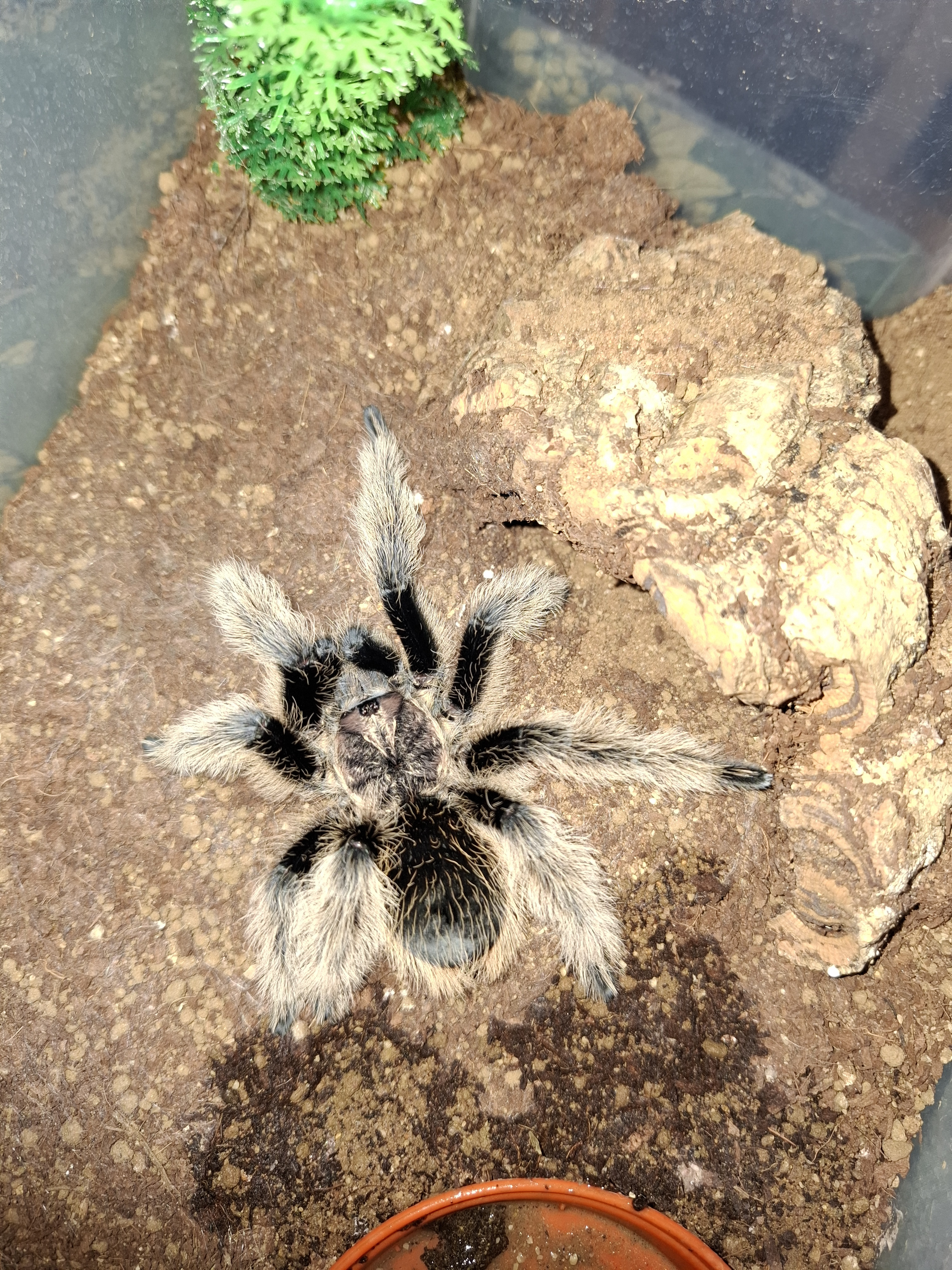
Photo provided by Chadwick family inverts on instagram
-
Natural History and Basic Information
• Tlitocatl albopilosus is a tarantula that comes from warm, dry, and sometimes rocky areas of South America. In the wild, they create small burrows under leaves or loose soil to hide during the day and escape the heat.
• In the pet trade, you may find different forms of this species available. Hobbyists report a variety of appearances, including changes in color, size, and pattern. These different forms, often resulting from variations in wild populations or selective breeding, offer a range of options for collectors. -
Enclosure Setup
• Enclosure Size: A secure home measuring 20 cm wide x 30 cm long x 20 cm high for an adult specimen. This size gives your tarantula enough room to move and dig.
• Substrate: Use loose material such as coconut fiber or peat moss that allows for digging. Make sure the substrate is 10 to 15 cm deep to provide a comfortable area for burrowing.
• Decorations: Add hiding spots with cork bark or flat wood pieces. Do not use rocks as decoration to avoid injury.
• Ventilation: Ensure the enclosure is well-ventilated with a secure setup that maintains proper air flow. -
Temperature and Humidity
• Temperature: Keep the enclosure between 20°C and 24°C to mimic the moderate warmth of its natural habitat.
• Humidity: Aim to maintain humidity levels between 70% and 80%. This higher humidity helps keep the substrate moist enough for burrowing while still being comfortable for the tarantula. -
Water Provision
• Water Dish: Include a shallow water dish with fresh water. Change the water every couple of days to keep it fresh.
• Overflow Plan: Once a month, allow the water dish to overflow or refresh in a way that adds extra moisture to the enclosure, helping to retain the appropriate humidity. -
Feeding
• Diet: Feed your tarantula small insects such as crickets or roaches.
• Feeding Schedule: Offer food once a week or every 7 to 10 days, and remove any uneaten prey promptly to keep the enclosure clean. -
Daily Care and Maintenance
• Clean the enclosure regularly, removing leftover food and waste.
• Check the temperature and humidity frequently, and make adjustments as needed to maintain a stable environment.
• Avoid handling the tarantula to minimize stress and ensure its best well-being.
By following these guidelines, you can create a safe and comfortable home for Tlitocatl albopilosus that closely mimics its natural environment. Enjoy caring for your tarantula and exploring the variety of forms available in the hobby!
Caribena versicolor - Martinique pink toe tarantula
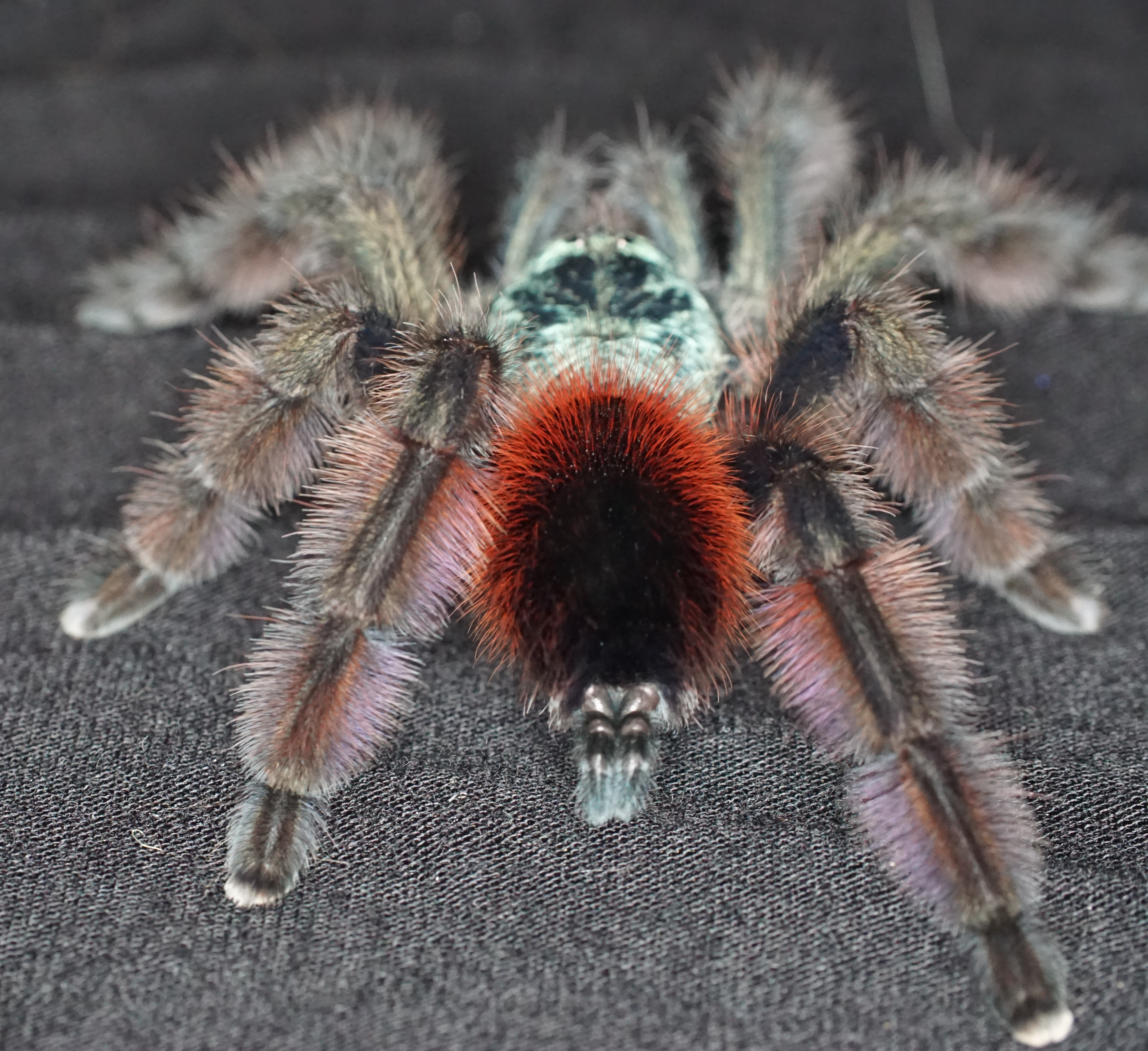
Photo provided by Chadwick family inverts on instagram
-
Overview & Natural History
• Caribena versicolor is a striking, arboreal tarantula native to the Caribbean islands. In the wild, these remarkable arachnids live high in the forest canopy. They are typically found amidst tropical forests where they inhabit elevated retreats on trees, in bromeliads, and within crevices in tree bark.
• Their natural habitat is a mosaic of conditions—while the local climate is tropical and generally warm, it experiences fluctuating humidity. Periods of refreshing tropical rain are interspersed with drier intervals. This balance has led Caribena versicolor to evolve behaviors and physical adaptations that allow them to thrive in the arboreal niche. -
Enclosure Requirements
• To support their arboreal nature, provide a vertically oriented enclosure that encourages climbing and exploration.
• An adult specimen should be housed in an enclosure approximately 20 cm (Depth) × 20 cm (Width) × 30 cm (Height). Although this size provides sufficient room, pay special attention to the vertical space to allow natural climbing behavior.
• Create a layered environment with different heights where your tarantula can set up retreats that mimic its wild habitat. -
Humidity & Water
• Despite living in a tropical climate that sees occasional heavy rains, Caribena versicolor prefers a primarily dry resting microenvironment. In captivity, avoid over-humidifying the enclosure.
• Always offer fresh water in a shallow, stable dish. In the wild, they would receive moisture from dew and occasional rains, so providing water ensures they can hydrate as needed without overly dampening their main habitat. -
Substrate & Decorations
• Use a substrate that remains relatively dry while allowing for a touch of natural burrowing or anchoring opportunities. A light, well-draining substrate is best.
• Do not use rocks as decorations. Instead, incorporate cork bark tubes and other secure arboreal structures (such as safe artificial plants or non-toxic vertical branches) that offer elevated shelters and mimic the natural crevices found in trees. These elements help your tarantula express its innate climbing and hiding behaviors. -
Handling & Safety
• Handling is not recommended. Regular interaction can induce stress and potentially compromise the tarantula’s health.
• Always perform observational interactions from a safe distance, and when enclosure maintenance is needed, use appropriate tools to minimize direct contact. -
Additional Care Tips Reflecting Their Wild Habitat
• Place the enclosure in a quiet room with minimal disturbances, as a calm environment helps reduce stress for these sensitive, arboreal creatures.
• Maintain a consistent ambient temperature suitable for a tropical forest environment, avoiding sudden fluctuations.
• Regularly check and clean both the water dish and substrate to prevent mold or bacterial growth.
• Observe your tarantula’s health and behavior. Changes in activity level, coloration, or appetite could indicate stress or an unsuitable environment, warranting adjustments to mimic natural conditions even more closely.
───────────────────────────────
By closely emulating the arboreal, tropical forest conditions found in the wild, you provide Caribena versicolor with an environment where it can express natural behaviors. The combination of vertical space, climbing structures like cork bark tubes, controlled humidity with ever-available fresh water, and minimal handling all contribute to a more authentic and healthy habitat for your arboreal tarantula.
Acanthoscurria geniculata - Brazilian white knee tarantula
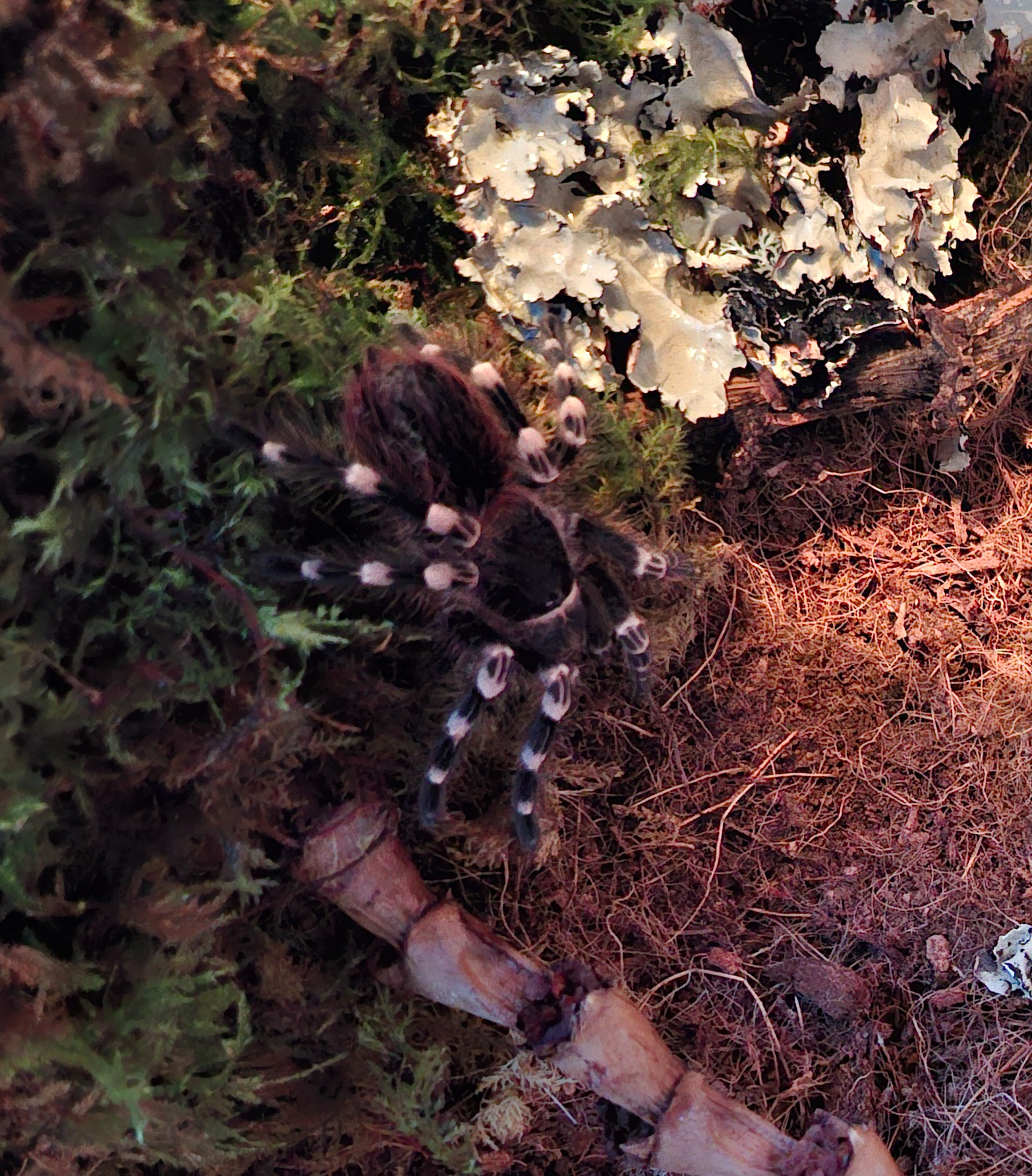
Photo provided by Chadwick family inverts on instagram
-
About the Species in the Wild
• This species is native to warm, humid regions of South America.
• In the wild, Acanthoscurria geniculata lives among leaf litter and often creates burrows in the ground for shelter and to escape the heat.
• It is a large tarantula with robust features, and in its natural setting, it relies on its size and defensive behaviours to protect itself.
• When threatened, it may become defensive and can flick irritating urticating hairs. -
Enclosure Setup
• Recommended Enclosure Size for an Adult Specimen: 20 cm high x 20 cm wide x 45 cm long. This size provides sufficient space for the tarantula to move around and create burrows.
• Substrate: Use a loose material, such as coconut fibre or peat moss. A substrate depth of 10 to 15 cm is advised to support natural digging behaviours.
• Decorations: Use items like cork bark or flat pieces of wood to create hiding spots. Do not use rocks as decoration because these can cause injury.
• Heating: Do not use a heat lamp. Instead, attach a heat mat to the side of the enclosure and ensure it is connected to a thermostat. This will help maintain a steady temperature while avoiding overheating. -
Temperature and Humidity
• Temperature: Maintain a temperature range of 24°C to 28°C.
• Humidity: Keep the humidity level between 70% and 80% to closely mimic its natural environment. -
Feeding Guidelines and Cautions
• Diet: Feed small insects such as crickets or roaches.
• Feeding Frequency: Offer food approximately once a week or every 7 to 10 days.
• Overfeeding Caution: Be careful not to overfeed. Do not feed your tarantula if its abdomen is larger than 1.5 times the size of its carapace. This precaution helps prevent obesity and other health issues.
• Always remove any uneaten prey from the enclosure to maintain cleanliness. -
Handling and Safety
• Do Not Handle: This tarantula is not a pet to be handled. Its large size, defensive nature, and ability to flick urticating hairs mean that handling may cause stress or injury.
• Observe from a safe distance and ensure the enclosure is placed where it will not be disturbed by people or pets.
──────────────────────────────
By following these guidelines, you can provide a safe and comfortable home that closely mimics the natural habitat of Acanthoscurria geniculata. Should any changes in behaviour or health occur, consult with experienced tarantula keepers or reliable sources for further advice. Enjoy caring for your tarantula while respecting its natural behaviours and needs!
Chromatopelma cyaneopubescens - Green Bottle Blue Tarantula care sheet
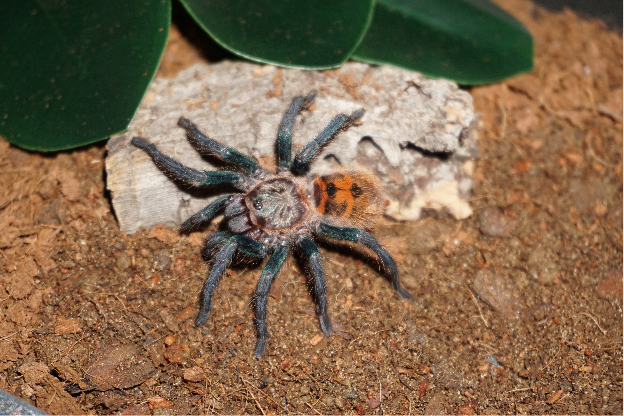
Photo: Chadwick Family Inverts on Instagram
Species Overview
Chromatopelma cyaneopubescens is a striking terrestrial tarantula native to regions in Central and South America. Renowned for its vibrant colouration and active behaviour, this species is a popular choice among experienced keepers. Understanding its natural history and specialized care requirements is fundamental in creating an environment where it can thrive. This care sheet outlines recommendations for housing, temperature, humidity, diet, hydration, and general maintenance to meet the needs of this terrestrial tarantula.
Enclosure Setup
For a terrestrial species like Chromatopelma cyaneopubescens, an enclosure that emphasizes ample ground space is essential. A secure enclosure with dimensions around 30 cm (width) x 30 cm (depth) x 30 cm (height) is recommended for an adult specimen. This size provides sufficient space for the tarantula to freely roam, burrow, and explore its environment.
• Substrate:
Use a well-draining substrate composed of a mix of coconut fibre or peat moss blended with sand. Provide a substrate layer approximately 10–15 cm deep to encourage natural burrowing and exploration. This deeper substrate layer allows the tarantula to dig and create secure retreats while supporting its terrestrial lifestyle. Avoid using heavy décor items such as rock formations, as these can restrict movement and pose injury risks.
• Hiding Places and Retreats:
Incorporate safe retreats to mimic a natural environment. Cork bark tubes are highly recommended as they offer ideal hiding spots where the tarantula can shelter, rest, and decorate with its silk. In addition to cork bark tubes, consider using flat pieces of unpolished wood or simple bark sections placed on the substrate as additional retreats. These elements provide secure cover without obstructing the tarantula’s movement.
Temperature and Humidity
Maintaining a stable microclimate is critical for Chromatopelma cyaneopubescens.
• Temperature:
This terrestrial species thrives in ambient temperatures ranging from 22°C to 26°C. To achieve a stable temperature, if supplemental heat is required, use a regulated heating pad positioned on the side of the enclosure rather than underneath. This arrangement allows heat to diffuse gradually throughout the habitat, providing a temperature gradient where the tarantula can move to cooler areas as needed for proper thermoregulation.
• Humidity:
Chromatopelma cyaneopubescens benefits from relatively high humidity levels—in the range of 70% to 80%. To maintain these levels, provide a water dish that is available at all times. Change the water daily to ensure freshness and prevent bacterial growth. Additionally, once a month, allow the water dish to overflow slightly during the cleaning process; this intentional overflow releases extra moisture into the enclosure, helping to retain an ideal humidity level without the need for frequent spraying. A hygrometer should be used regularly to monitor conditions and ensure that humidity remains within the recommended parameters.
Diet and Feeding
A balanced diet consisting of live prey is essential for the health of Chromatopelma cyaneopubescens.
• Prey:
Offer a variety of appropriately sized live insects. Common prey items include crickets and roaches, and for larger individuals, a locust can be offered as part of their feeding regimen. Ensure that the prey size is suitable relative to the tarantula’s body to avoid feeding complications.
• Feeding Frequency and Body Condition:
Juvenile tarantulas may be fed once or twice a week, while adults can be offered food on a weekly basis. It is important to remove any uneaten prey after a few hours to prevent substrate contamination and undue stress on the tarantula. Additionally, when feeding, observe the tarantula’s abdomen size relative to its carapace. Ideally, the abdomen should measure between 1 and 1.5 times the size of the carapace. If the abdomen consistently exceeds this range, consider skipping a feeding session to avoid overfeeding and obesity. Proper weight management is essential to ensure the long-term health and vitality of your tarantula.
Hydration
Maintain a constant supply of dechlorinated water with a water dish available at all times. Aside from serving as a hydration source, the water dish plays a role in humidity control. Clean and change the water daily, with an intentional overflow once a month to help boost ambient moisture levels.
Handling and Safety
While Chromatopelma cyaneopubescens is fascinating to observe, handling is strongly discouraged. This species can be defensive and may deliver a painful bite if it feels threatened. Minimal handling helps reduce stress and minimizes the risk of injury to both the tarantula and its caretaker. Observing your tarantula from a safe distance is the preferred method of appreciating its behavior and vibrant appearance.
Maintenance and Monitoring
Regular inspection of the enclosure is essential to ensure that temperature and humidity remain within the recommended ranges. Use a reliable thermometer and hygrometer for accurate readings.
• Moulting:
Moulting is a critical phase during which the tarantula sheds its exoskeleton. During this vulnerable period, the tarantula might retreat to a secluded area within its enclosure where it feels secure. Minimal disturbance is crucial during moulting to avoid stress or accidental harm.
• General Cleanliness:
Focus on routine maintenance by removing any visible debris or uneaten prey. This helps preserve the established environment and ensures that the substrate remains conducive to the tarantula’s natural behaviour.
Final Considerations
Chromatopelma cyaneopubescens thrives when provided with a thoughtfully designed terrestrial setup that mirrors aspects of its natural habitat. By offering an enclosure sized at 30 cm x 30 cm x 30 cm with a substrate depth of 10–15 cm, maintaining ambient temperatures between 22°C and 26°C (with supplemental heat via a side-placed heating pad if required), and sustaining humidity with a water dish that is changed daily and overflowed monthly, you create optimal conditions for your tarantula. A balanced diet of live prey such as crickets, roaches, and locusts, along with the inclusion of cork bark tubes as retreats, further enhances its well-being.
Consistent monitoring, minimal handling, and careful observation during moulting are the cornerstones of successful tarantula husbandry. By adhering to these guidelines, you can ensure a safe, vibrant, and healthy home for Chromatopelma cyaneopubescens, allowing you to enjoy its natural behaviours and stunning appearance for many years to come.
Lasiodora parahybana - Salmon pink birdeater
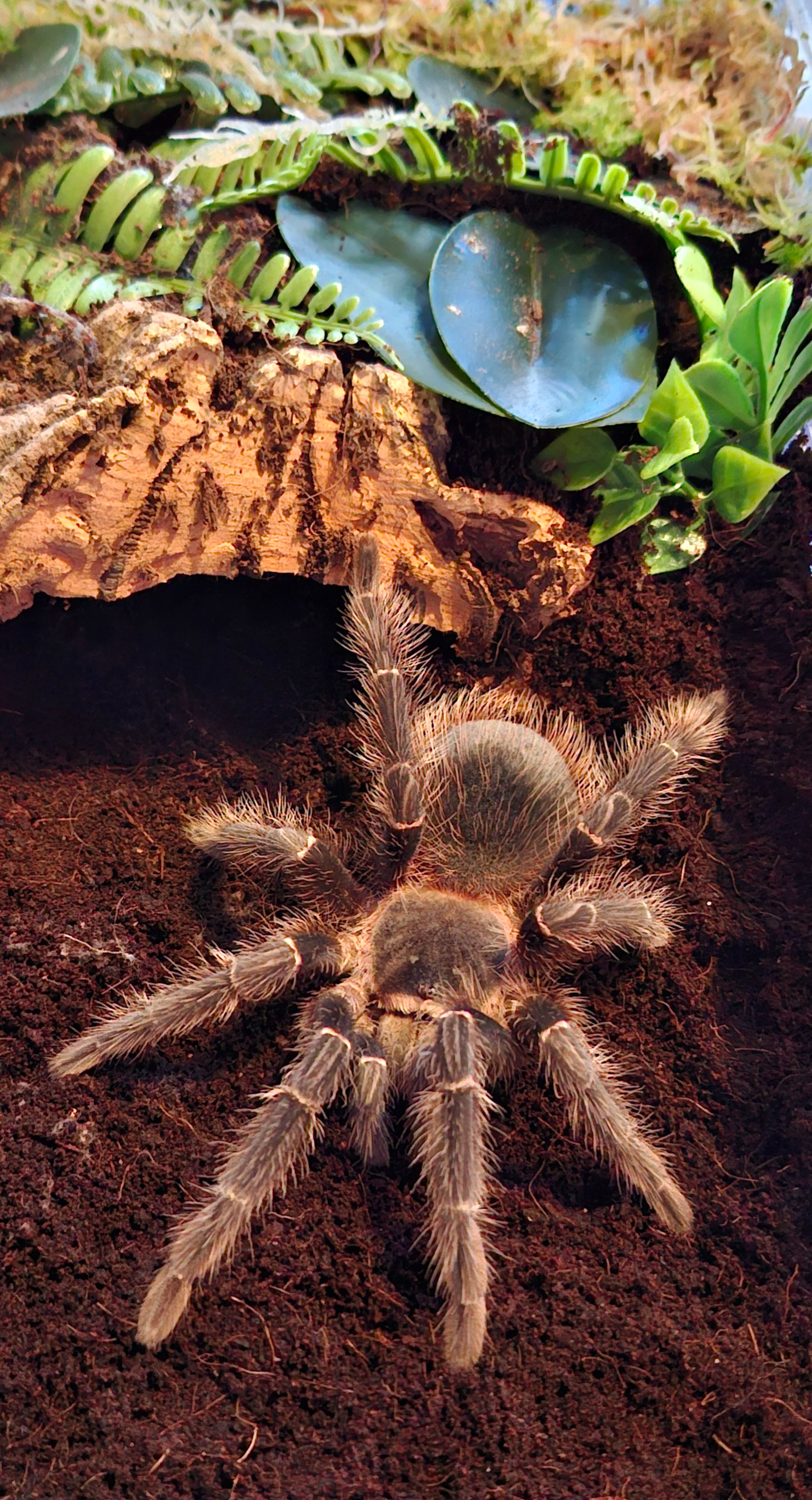
Photo provided by Chadwick family inverts on instagram
-
Species Overview
• Native Habitat: Lasiodora parahybana is a terrestrial tarantula native to Brazil. In the wild, these impressive spiders inhabit the rainforest floor where soft, moist soils allow natural burrowing and help provide camouflage among leaf litter.
• Size & Appearance: One of the largest tarantula species, adults can reach a diagonal leg span of approximately 25 cm. Their robust build and natural defense mechanisms—including urticating hairs—make them a species best observed rather than handled. -
Enclosure Recommendations
• Adult Enclosure Size: For an adult, an enclosure measuring approximately 20 cm in height, 30 cm in width, and 45 cm in depth is recommended.
• Substrate: Provide at least 15 cm of substrate to encourage natural burrowing behavior, replicating the soft, damp conditions of the rainforest floor.
• Decor & Hiding Places:
– Recommended: Use curved cork bark pieces as hides. These secure retreats simulate the natural crevices found in the tarantula’s native environment and offer a safe refuge.
– Not Recommended: Avoid rock decor, as rocks can be hazardous and may cause injury or even death if they shift or fall. -
Environmental Conditions
• Humidity: Maintain a humidity level between 70% and 80%—mirroring the humid rainforest floor where these tarantulas live.
– Monthly Maintenance: Overflow the water dish once a month to help maintain stable humidity levels within the enclosure.
• Temperature: Aim for an ambient temperature between 20°C and 24°C. Typically, the room temperature of a house is sufficient for this species. If an external heating source is required, use a heat mat on a thermostat attached to the exterior side of the enclosure rather than underneath, ensuring even and safe temperature regulation. -
Hydration
• Fresh Water: Provide a shallow water dish filled with fresh water that is available at all times. Regular cleaning and refilling of the dish will keep the water safe for your tarantula. -
Handling & Safety
• Handling: Handling is not recommended. Lasiodora parahybana can be defensive and possesses irritating urticating hairs which can cause harm. It is best to observe these magnificent creatures from a safe distance.
By following these guidelines—including proper enclosure size, careful substrate depth for burrowing, the use of curved cork bark hides, and attentive monitoring of temperature and humidity—you can create a secure, naturalistic environment for your Lasiodora parahybana. This setup ensures the tarantula thrives while you safely enjoy observing one of nature’s most remarkable species.
Heteroscodra maculata - Togo Starbust baboon tarantula
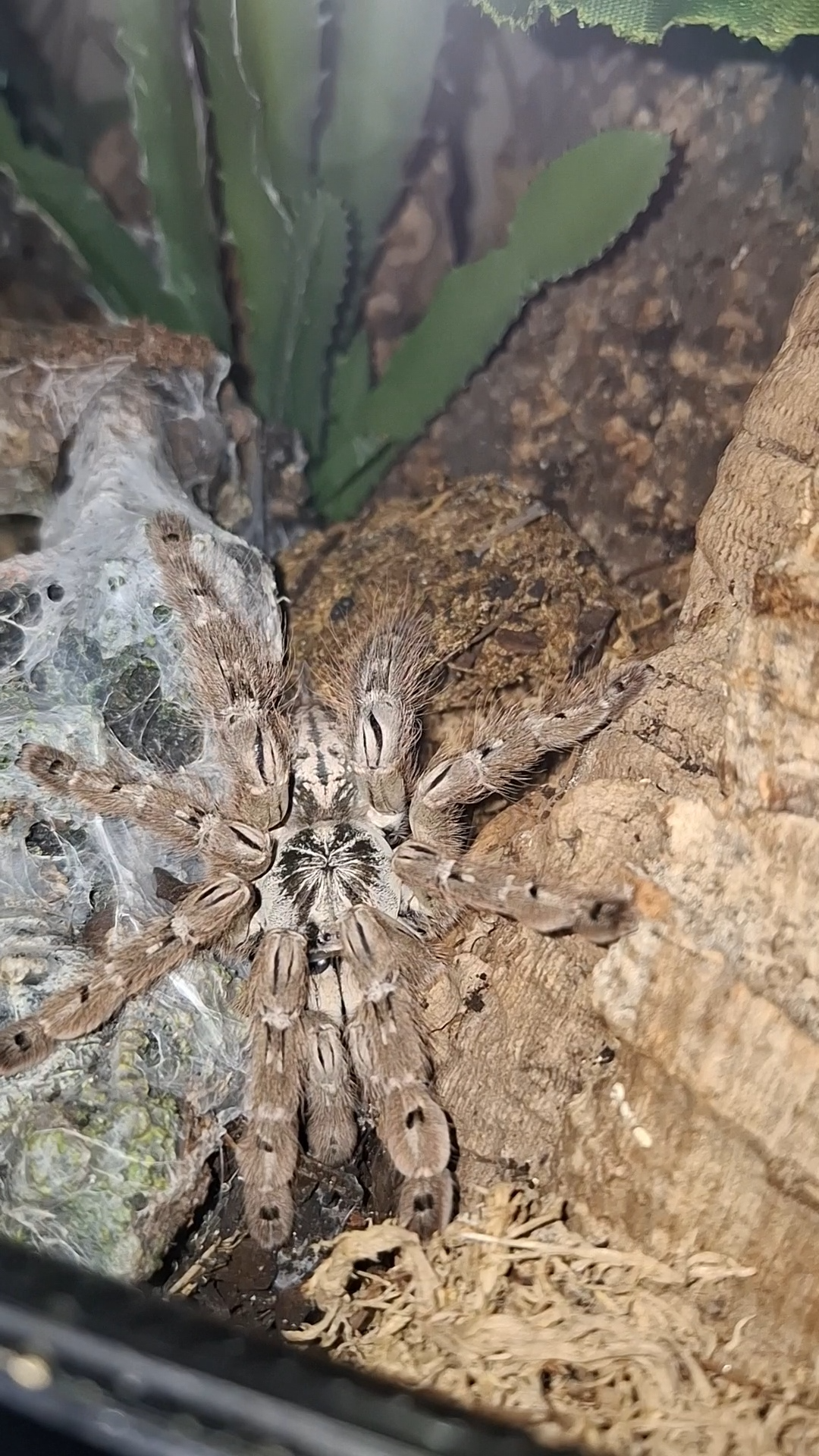
Photo provided by: Chadwick family inverts on instagram
Heteroscodra maculata, commonly known as the Togo Starburst tarantula, is an eye-catching arachnid native to Ghana. Recognized for its vivid markings and dynamic behaviour, this species holds a special appeal for experienced keepers. However, Heteroscodra maculata is highly defensive and can deliver a painful bite which has medically significant venom, which makes handling strictly inadvisable to ensure the safety of both the keeper and the animal.
A key aspect of caring for Heteroscodra maculata is establishing an enclosure that mirrors its natural environment. In the wild, this tarantula inhabits warm regions where it utilizes elevated retreats among arboreal structures and shaded areas created by foliage. In captivity, a secure enclosure with dimensions of approximately 30cm x 30cm x 30cm is advised for an adult specimen . Such a space offers sufficient room for the tarantula to engage in its natural behaviours, including climbing and constructing its characteristic, heavily webbed retreats. A secure lid coupled with excellent ventilation is essential to prevent overheating while maintaining a stable environment.
The substrate is a fundamental component in simulating the native conditions of Heteroscodra maculata. A blend of coconut fibre or peat moss mixed with sand serves as an ideal base, providing a natural tactile surface and accommodating mild burrowing at the base of the enclosure. It is important to note that heavy décor items such as rock formations are best avoided; not only do they restrict the tarantula’s arboreal activities, but they can also pose a danger risk to the animal by potentially causing injury during sudden movements or falls.
Instead of rock formations, emphasis should be placed on incorporating elements that promote climbing and retreat building. Cork bark tubes are an excellent addition, offering ideal hollows for the tarantula to hide, explore, and decorate with its silk. These tubes encourage the species' natural tendencies to construct elaborate, elevated retreats and contribute to an environment that aligns closely with its arboreal lifestyle.
Temperature regulation is another critical aspect of proper husbandry. Heteroscodra maculata thrives in ambient temperatures ranging from 22°C to 26°C. Rather than using heat lamps—which may provide uneven heat distribution—a regulated heating pad positioned under one section of the enclosure is preferred. This setup creates a controlled, evenly distributed warmth and establishes a thermal gradient, allowing the tarantula to move to cooler zones as needed for effective thermoregulation.
Humidity is equally important for the tarantula’s well-being. Although Heteroscodra maculata originates from regions that might appear dry, it benefits from an ambient humidity level between 70% and 80%. These humidity parameters support overall vitality and facilitate a smooth moulting process. Proper ventilation, minimal misting, and the inclusion of a shallow water dish (which should be cleaned with regular frequency) can help maintain these levels without encouraging mould growth or respiratory complications.
Feeding in captivity is centred around live prey. Insects such as crickets and cockroaches, appropriately sized to match the tarantula’s body, are suitable options. Feed the tarantula once or twice a week, ensuring that any uneaten prey is removed promptly to maintain cleanliness and reduce stress.
Regular observation of the tarantula, particularly during vulnerable periods such as moulting, is essential. With careful attention to creating an arboreal-friendly enclosure free of hazardous rock formations, maintaining optimal temperature and humidity, and providing a balanced diet, Heteroscodra maculata can thrive in captivity while ensuring both the animal’s well-being and the caretaker’s safety.
Hystereocrates gigas - Cameroon rusty red baboon tarantula
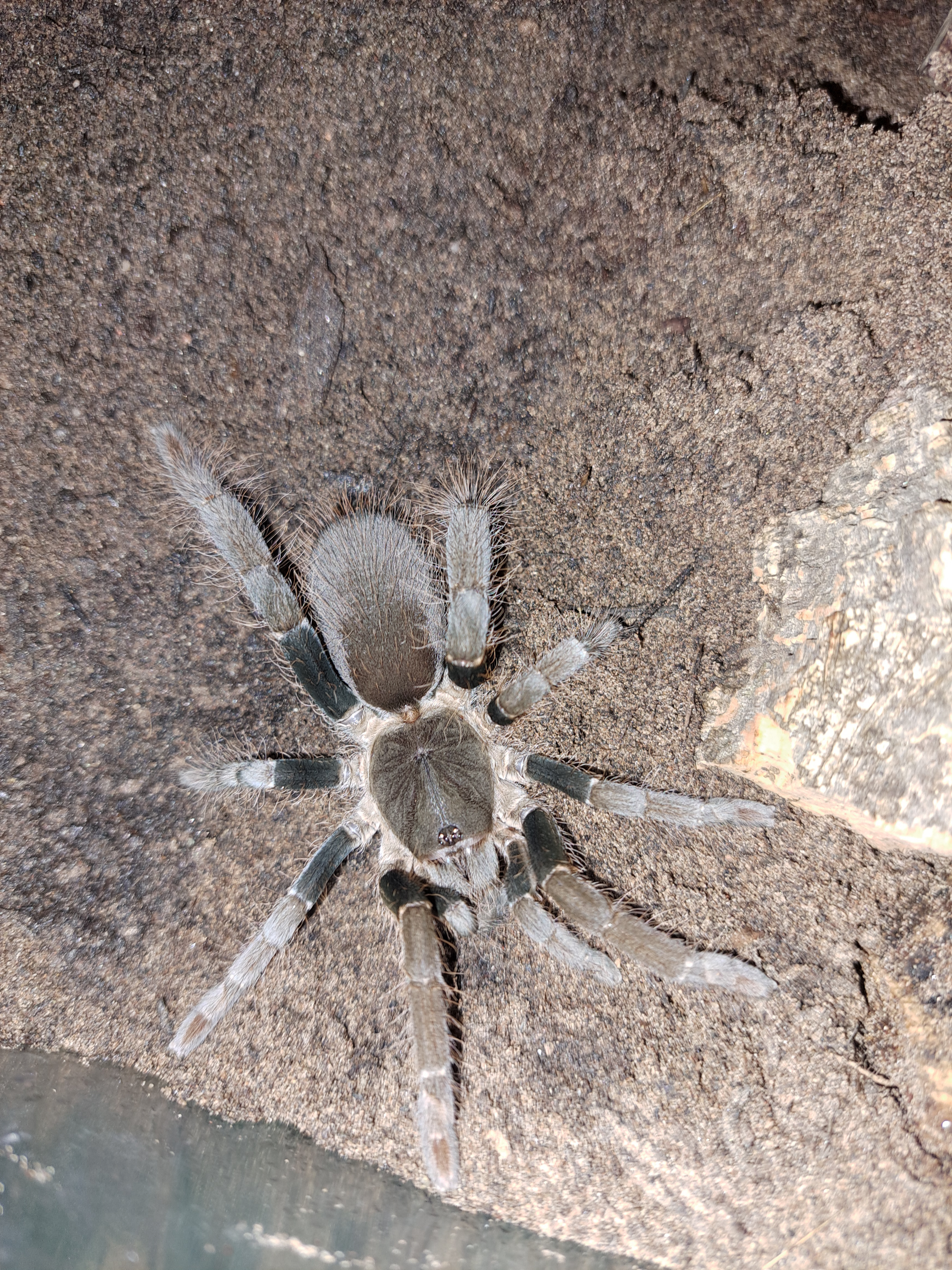
Photo provided by Chadwick family inverts on Instagram
-
About the Species in the Wild
• Hystereocrates gigas is native to parts of Africa, where it is found in environments that encourage the construction of deep burrows.
• In the wild, it digs deep burrows for shelter, which provide excellent protection and stable conditions.
• This species is very defensive and will resort to biting when threatened. Its venom is medically significant, so careful observation from a safe distance is essential.
• It relies on camouflage and its ability to create deep retreats rather than relying on open, exposed areas. -
Enclosure Setup
• Enclosure Size: A secure enclosure measuring 30 cm wide x 30 cm long x 20 cm high is recommended. This space provides enough room for movement and for the tarantula to dig a deep burrow.
• Substrate: Use a loose material such as coconut fibre or peat moss, with a depth of 10 to 15 cm. The substrate should allow the tarantula to excavate a deep burrow, mimicking its natural habitat.
• Decorations: Include hiding spots using cork bark pieces or flat pieces of wood. Avoid using rocks as decoration because they may cause injury.
• Ventilation: Ensure proper airflow to maintain stable temperature and humidity within the enclosure. -
Temperature and Humidity
• Temperature: Maintain a consistent temperature between 21°C and 27°C.
• Humidity: Keep the humidity level between 70% and 80%.
• Water Setup: Provide a shallow water bowl with fresh water available at all times. To help maintain the desired humidity, overflow the water bowl once a fortnight. -
Feeding and Watering
• Diet: Offer a variety of small insects such as crickets, roaches, or other suitable prey.
• Feeding Frequency: Feed approximately once a week or every 7–10 days. Remove any uneaten prey after one day to prevent contamination or attracting pests.
• Water: Always ensure the water bowl is filled with fresh water, and follow the routine of overflowing it every two weeks to sustain humidity levels. -
Handling and Safety Considerations
• DO NOT HANDLE: Due to its very defensive nature and medically significant venom, handling Hystereocrates gigas is not recommended.
• If enclosure maintenance is necessary, use proper tools (such as long forceps) and wear protective gear.
• Place the enclosure in an area where accidental disturbances by people or pets are unlikely.
──────────────────────────────
By following these guidelines, you can provide a secure and comfortable environment that closely mimics the natural habitat of Hystereocrates gigas—with deep burrow opportunities and steady environmental conditions. Always consult experienced keepers or reliable care sources if you have any questions or concerns regarding the care of this species.
Psalmopoeus irminia - Venezuelan sun tiger
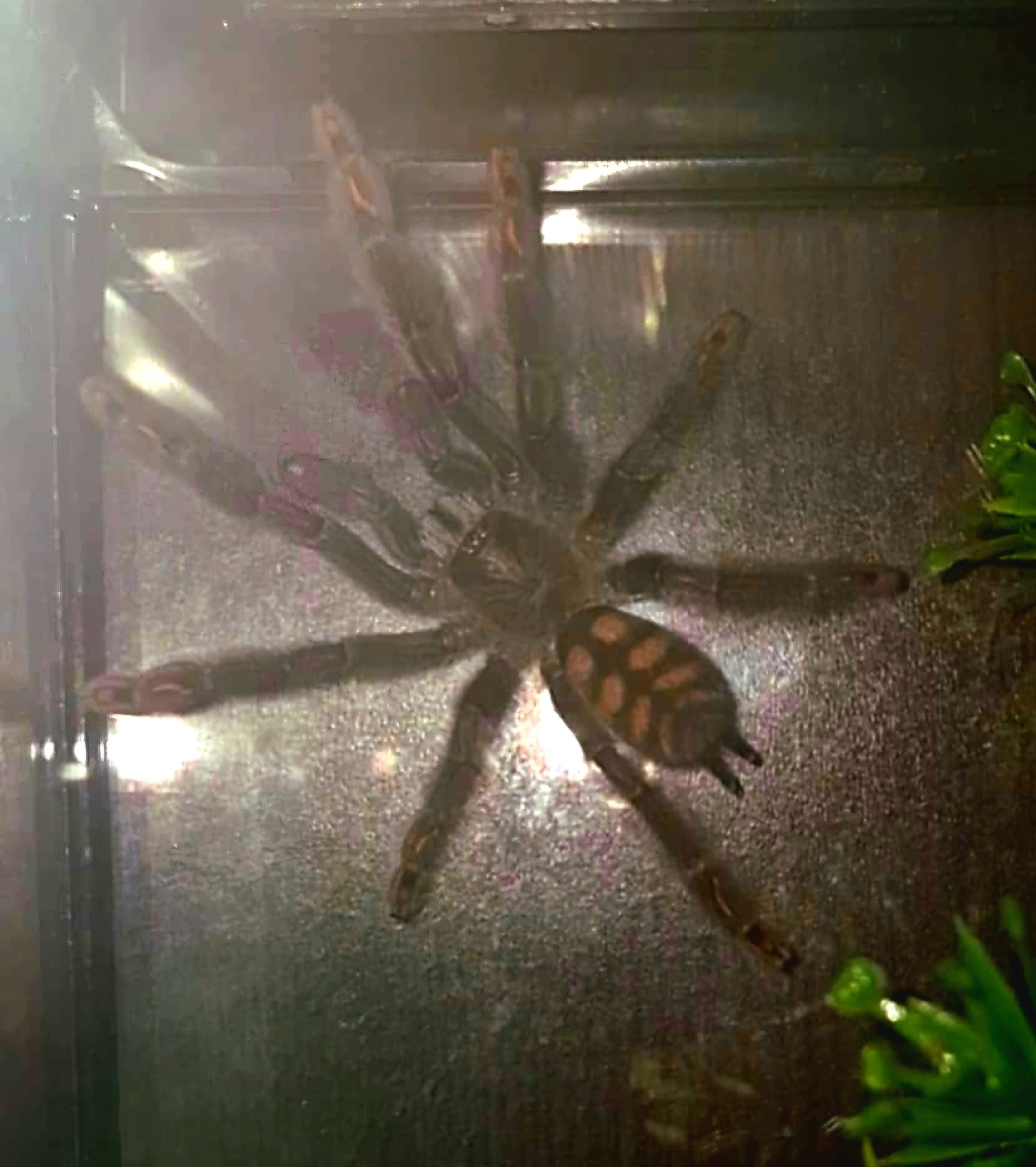
Photo provided by Chadwick family inverts on Instagram
-
Species Overview
• Native Habitat: Psalmopoeus irminia is an arboreal tarantula native to Venezuela. In its natural environment, it is typically found on the lower sections of trees in tropical rainforests, where high humidity and warm temperatures prevail.
• Temperament: This tarantula is exceptionally fast and highly defensive. Handling should never be attempted. -
Enclosure Recommendations
• Cage Size: An adult should be housed in an enclosure measuring approximately 20 cm in diameter, 20 cm in width, and 30 cm in height. Given its arboreal habits, it is vital to provide vertical space and climbing structures.
• Decor & Climbing Structures:
– Recommended: Cork bark tubes are ideal as decor; they offer natural hiding spots similar to tree crevices. In addition, including vertical elements such as branches will encourage climbing and help replicate its natural environment.
– Not Recommended: Rock decor should be avoided. Not only do rocks fail to support the tarantula’s climbing habits, but their weight and sharp edges also pose a risk—they can cause injury or even death if they fall or interfere with the tarantula's movements. -
Environmental Conditions
• Humidity: Maintain the enclosure humidity steadily between 70% and 80% to mirror its natural habitat.
– Monthly Maintenance: Overflow the water bowl once a month to help stabilize the humidity within the enclosure.
• Temperature: Keep the ambient temperature between 24°C and 28°C.
– Heating: Use a thermostatically controlled heat mat mounted on the exterior side of the enclosure to provide a stable temperature without creating hot spots. -
Hydration
• Fresh Water: Always provide a shallow water dish filled with fresh water. Regular cleaning and refilling will keep the water source contaminant-free. -
Handling & Safety
• Handling: Under no circumstances should handling be attempted due to the tarantula’s speed and highly defensive nature. -
General Husbandry & Maintenance Tips
• Substrate: Choose a substrate that retains humidity effectively and is deep enough to allow natural behaviours such as burrowing. A mix of peat and coconut fibre works well to replicate tropical conditions.
• Cleaning: Regularly spot clean the enclosure and perform full cleanings as needed, minimizing stress to the tarantula.
• Observation: Monitor your tarantula consistently for any signs of stress, illness, or unusual behaviour, and adjust environmental conditions appropriately.
─────────────────────────────
By following these guidelines—especially noting the risks associated with rock decor, exclusively using a thermostatically controlled heat mat, and providing an environment rich in vertical climbing opportunities—you can create a secure, natural habitat for Psalmopoeus irminia. Enjoy observing this fascinating species from a safe distance while always prioritizing its health and well-being.
Caring for mature male tarantulas.
Male tarantulas have a significantly shorter lifespan than females, with some species reaching maturity within a year of moulting into a sling, and some may reach 5 years old before maturing (grammastola, euthalus, homeomma). When males have their final moult, they become massively different in appearance; they have much longer legs, some species grow tibial hooks on their 1st legs and species in the pamphobetus, phormictopus, and xenethis genus develop insanely vibrant colours. However, once reaching maturity, their time is limited they will usually pass away in under a year. They will create a sperm web, onto which they deposit sperm, and then collect it onto their emboli (pedipalps). During this time, they will likely refuse to eat or drink as their only purpose is to find a female and breed.